
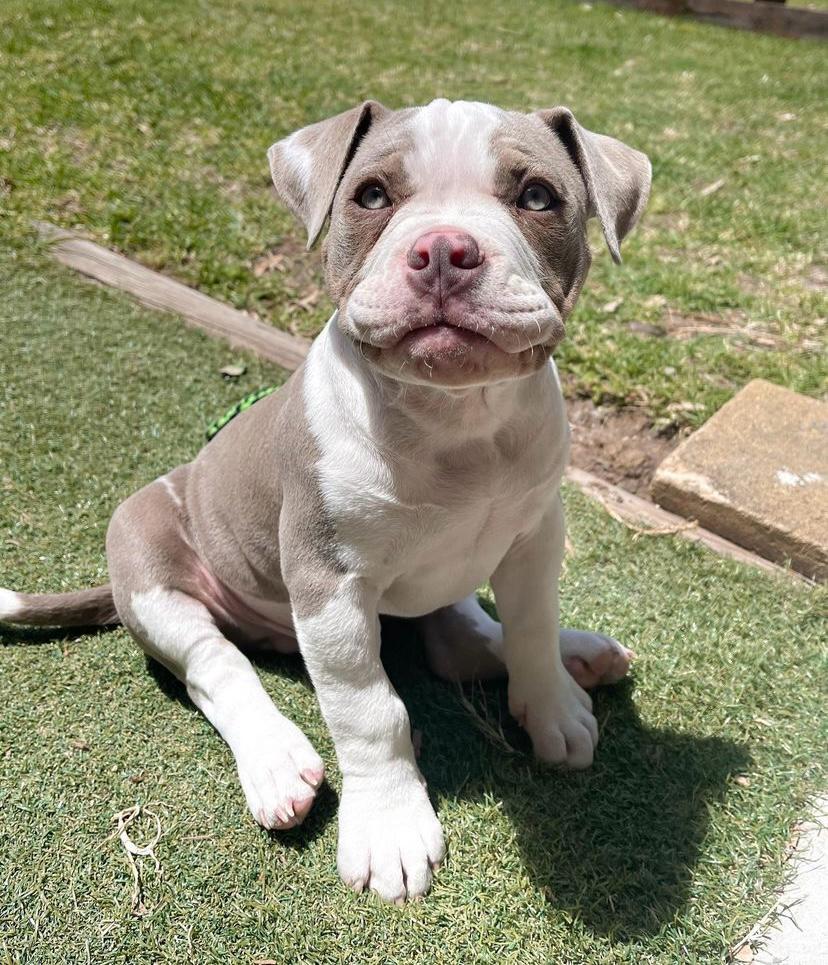
 Classic
Sedona, Arizona
Fawn American Bully for Sale
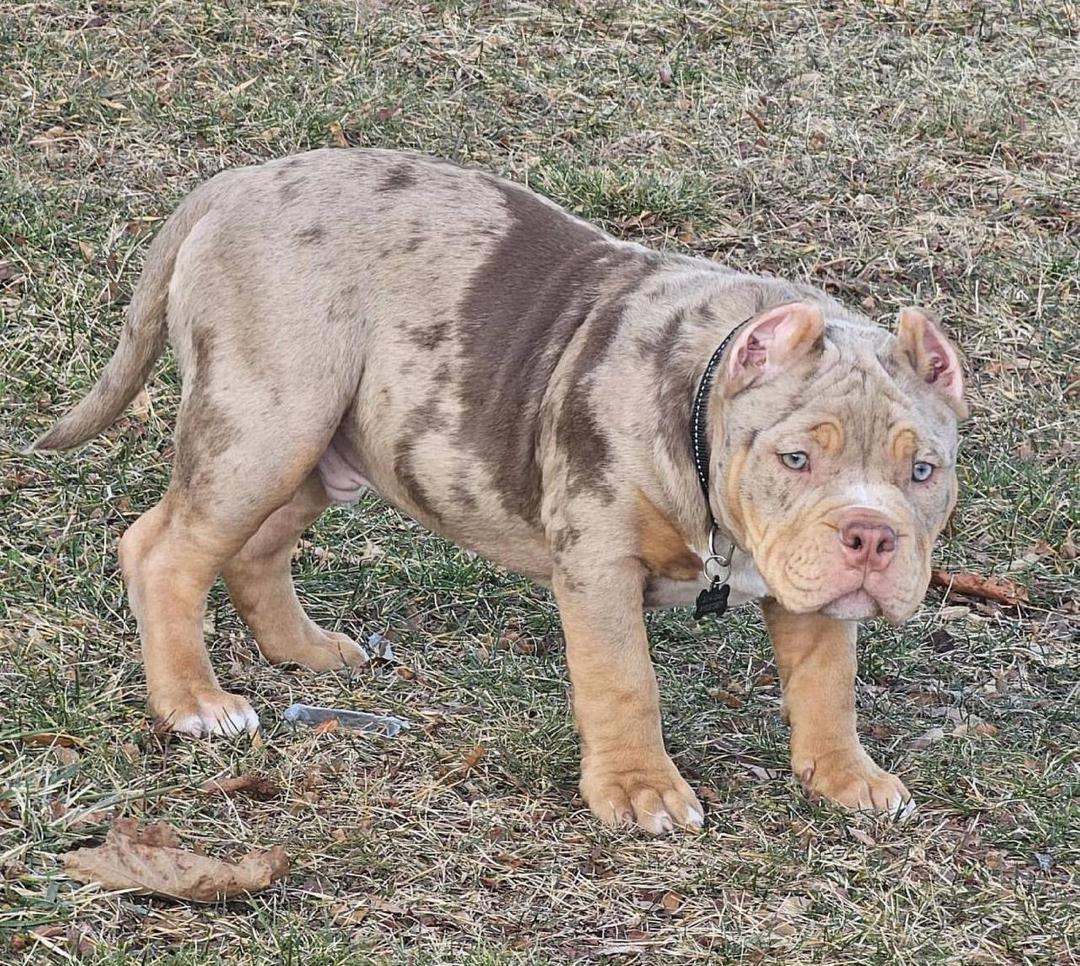
2 fawn puppies are standing with me in Sedona right now, raised in the house and seen by my vet before they go home.
Yes, there are 2 fawn American Bully puppies for sale here today. The coat is common in the breed, and the first thing worth saying is that scarcity and quality are two separate measurements. I’m Greg Harpson, I’ve bred American Bullies here since 2015, and coat is the last thing I select for, well behind temperament and behind structure.
The fawn puppies standing with me now
These are the only fawn puppies in the group as it stands, so what you see is the whole of it. Each one has been looked over by my vet before they travel, with the dates written down for you to keep.
Classic
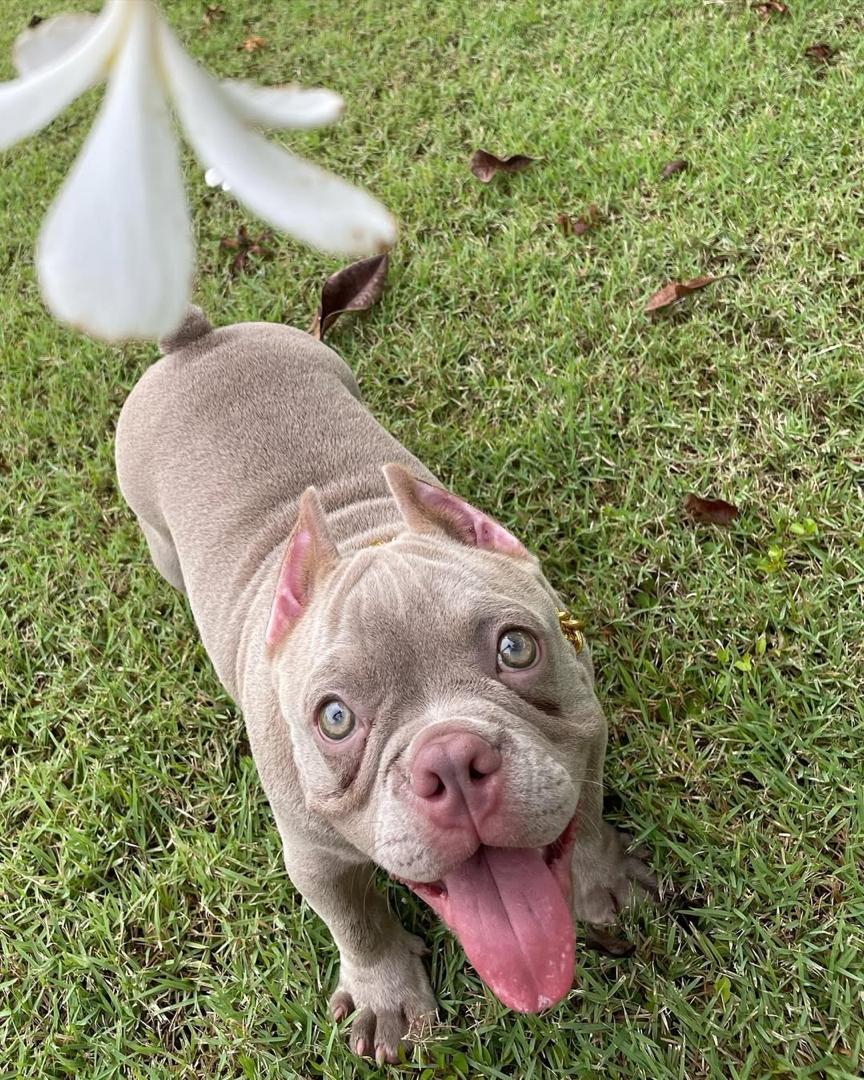 Pocket
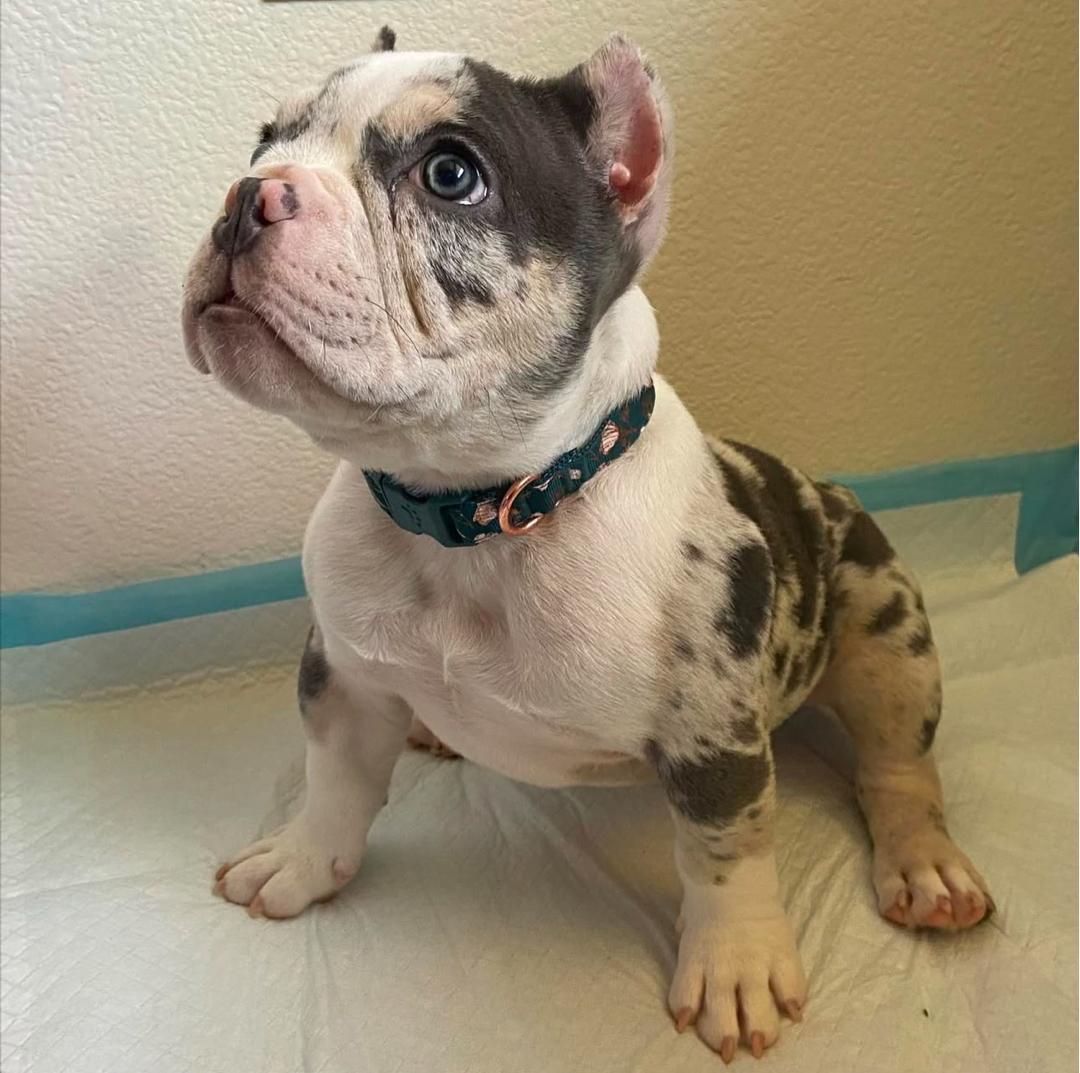
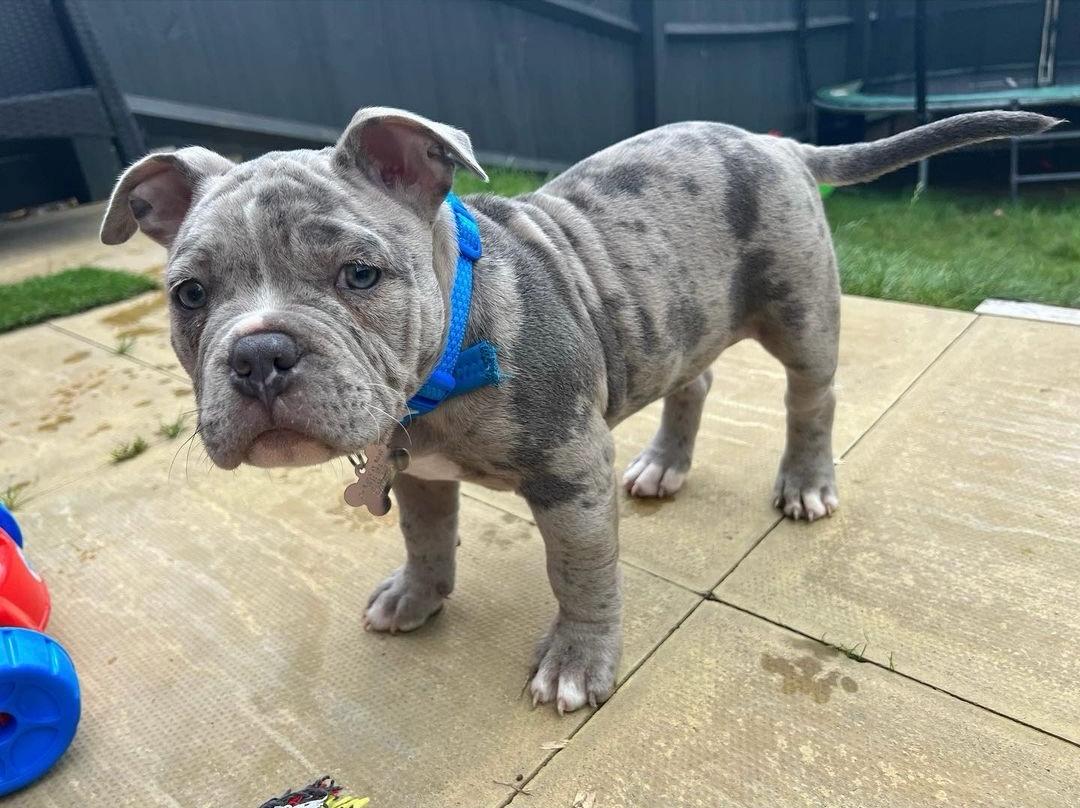
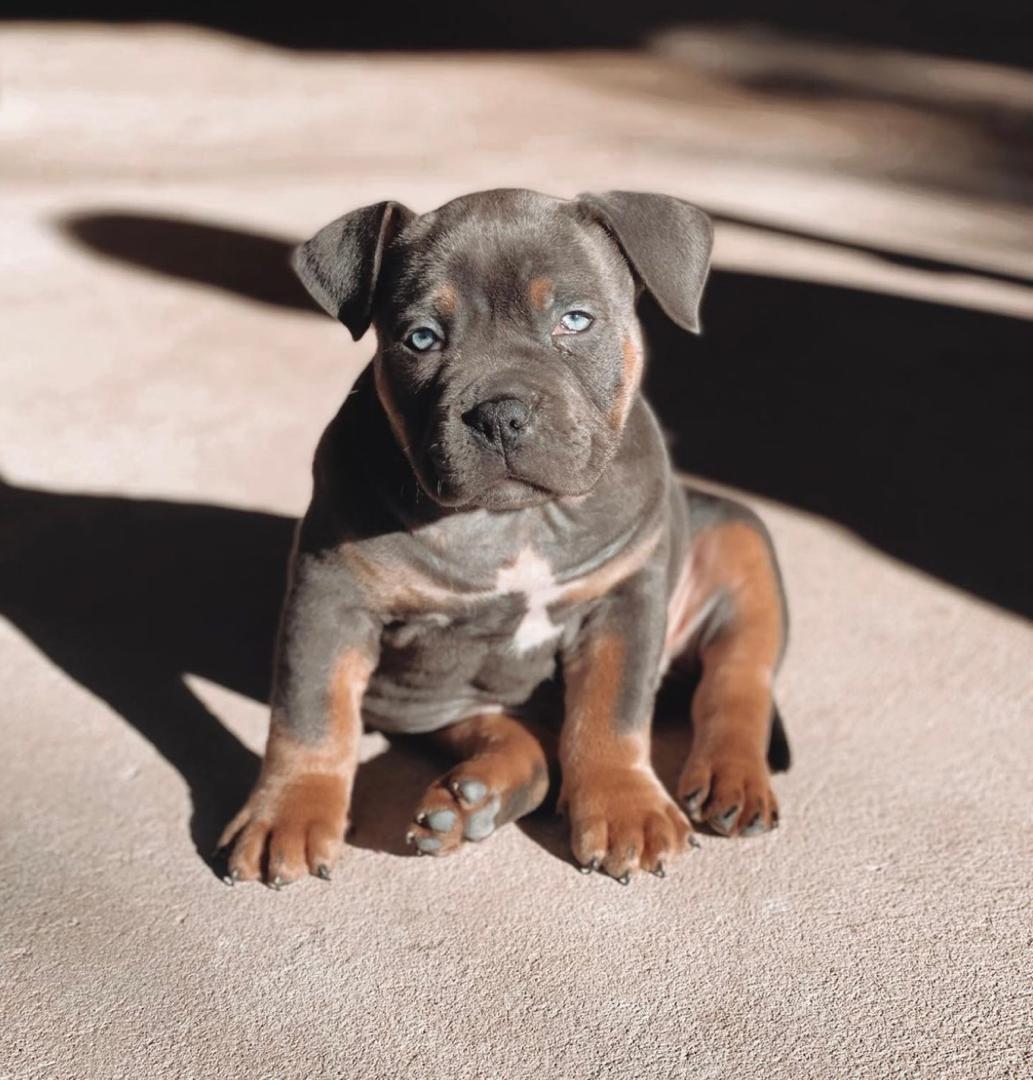
The other coats here this week
If fawn turns out not to be the one, here are the rest of the coats in the current group, closest to fawn first.
The genetics behind a fawn coat
The ay allele at the A locus, which puts red pigment across the coat. It runs anywhere from pale cream to deep mahogany depending on the modifiers a given dog carries, usually finished with a black mask, or a diluted mask where the dilution gene is present.
Reading a fawn, and what it gets muddled with
Confused with red and with champagne. The line between fawn and red is a matter of how deep the colour runs rather than a genetic boundary, so it is a judgement call as much as anything. The line with champagne is dilution: a champagne is a fawn carrying the dilution gene, which lightens the nose, while a fawn with a black mask is undiluted.
Where fawn sits in the breed
Fawn covers an enormous visual range, from a near-white cream all the way to a deep mahogany red, and it is all the same underlying gene with modifiers deciding how deep the colour runs. It is common, it is unfussy, and a plain fawn carries no colour-linked health risk whatsoever. Lilac fawn is a variant I see from time to time: a fawn with the dilution applied, which lightens the pigment and gives the paler nose, and that one does carry the diluted-coat risk that any diluted dog carries.
Widely available and sold without any scarcity story, which is fair, because there isn’t one to tell. A good fawn is an easy, sound dog with no colour-linked baggage, and the market treats it accordingly rather than dressing it up.
To place it against its neighbours, here is how fawn compares on how scarce it really is and on how often buyers go looking for it. The coats beside it in the table are the ones people most often weigh against fawn.
What this coat means for the dog’s health
Nothing specific to the coat. A straight fawn carries no colour-linked health concern at all. The one exception is a lilac fawn, where the dilution gene brings the usual diluted-coat risk with it.
Beyond the coat, the rest is about the breed rather than the colour. The full picture is here, and you can see how every coat lines up.
I don’t screen or certify the parents and I won’t pretend otherwise. What I do stand behind: every puppy is examined by Bell Rock Veterinary Clinic before it leaves, it has had DHPP with the booster and the canine influenza shot by ten weeks and been dewormed between two and ten weeks, the written record travels with it, and you take it to your own vet inside the first week. Any dog I breed can come back to me at any point in its life.
Asking after a fawn puppy
Tell me roughly where you are and I’ll walk you through getting the puppy to you, whether that is me meeting you within a couple of hours of Sedona, ground transport, or a nanny who flies the puppy home in the cabin. I’ll also give you an honest read on whether this one fits your household.