
 2 available
Sedona, Arizona
Chocolate American Bully for Sale
Nothing chocolate in the current group, and I’d sooner tell you that than steer you toward a coat that is close and hope you don’t look twice. Everything I do have is further down.
I’ve no chocolate puppies in the current group. The coat is uncommon in the breed, and the first thing worth saying is that scarcity and quality are two separate measurements. I’m Greg Harpson, I’ve bred American Bullies here since 2015, and coat is the last thing I select for, well behind temperament and behind structure.
Nothing chocolate standing this week
Coats turn over litter by litter, and dressing up a near match as the real thing helps nobody. Tell me the coat you’re set on and I’ll say plainly whether it’s on the way. What’s actually here is just below.
Here’s what is here instead
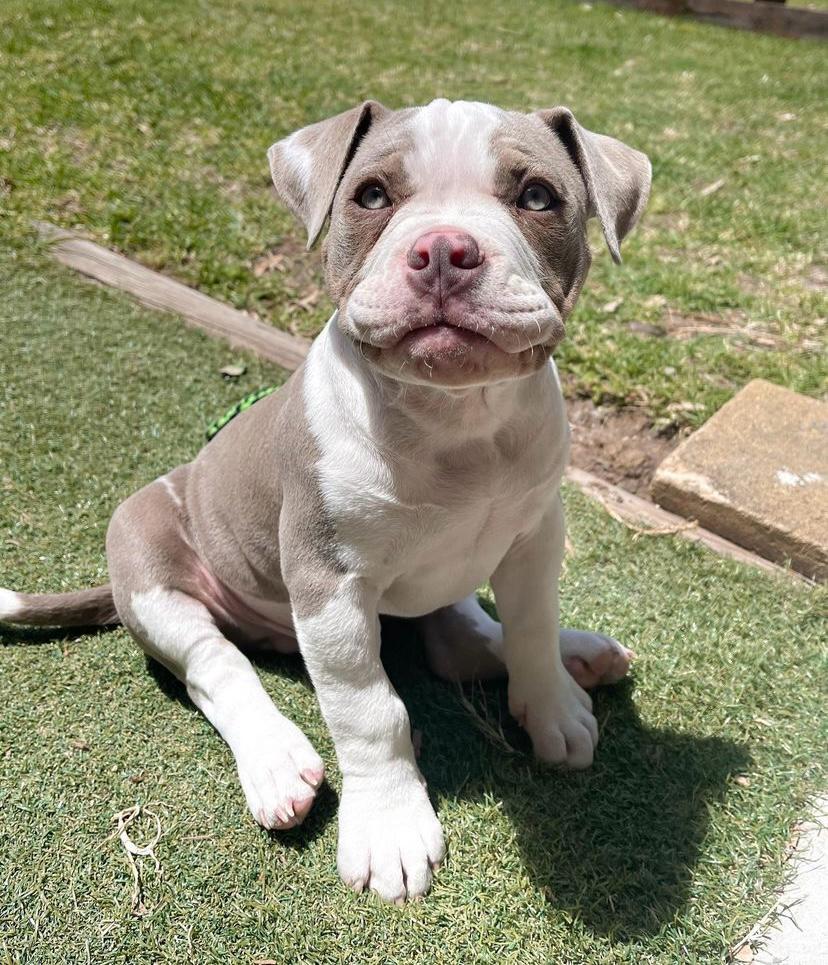
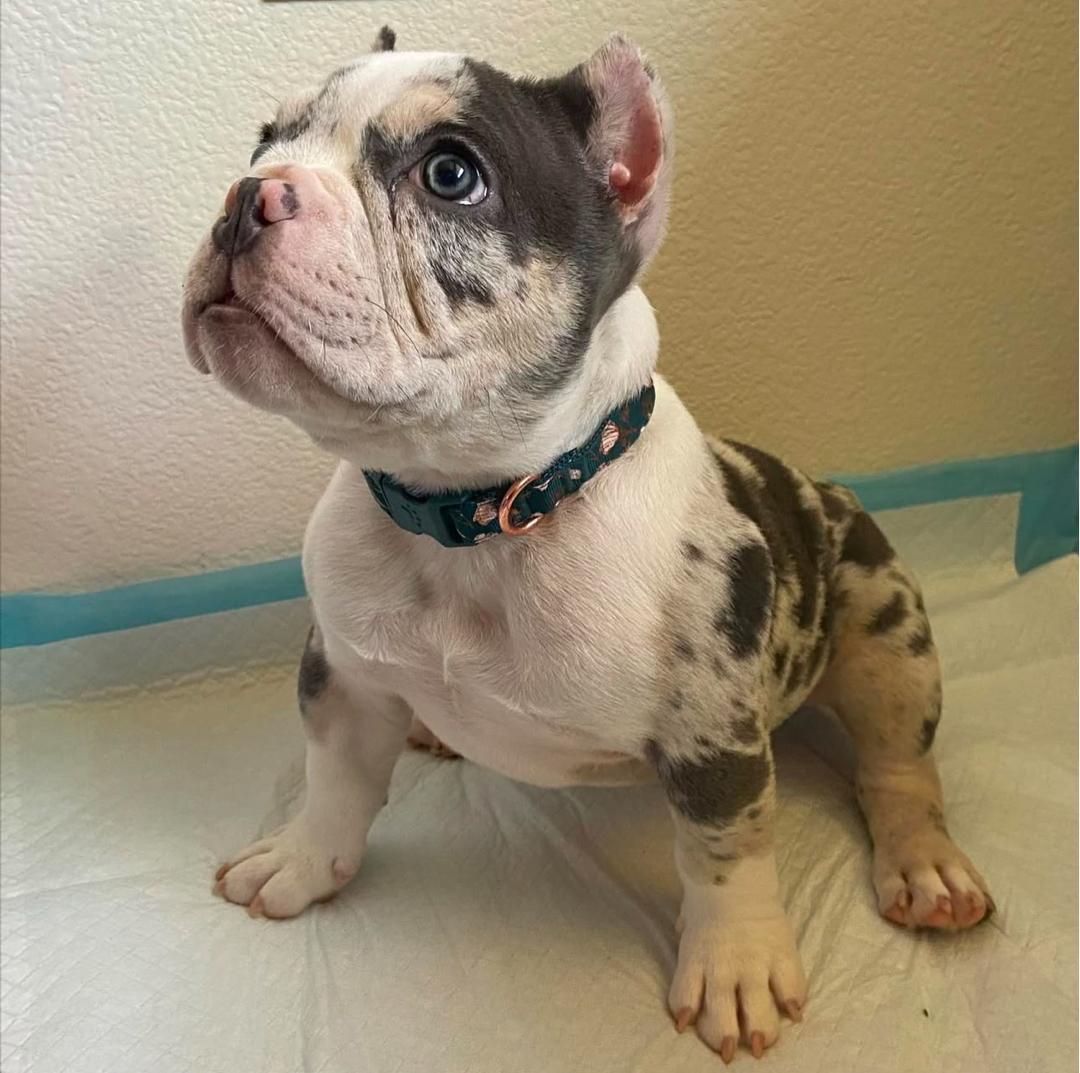
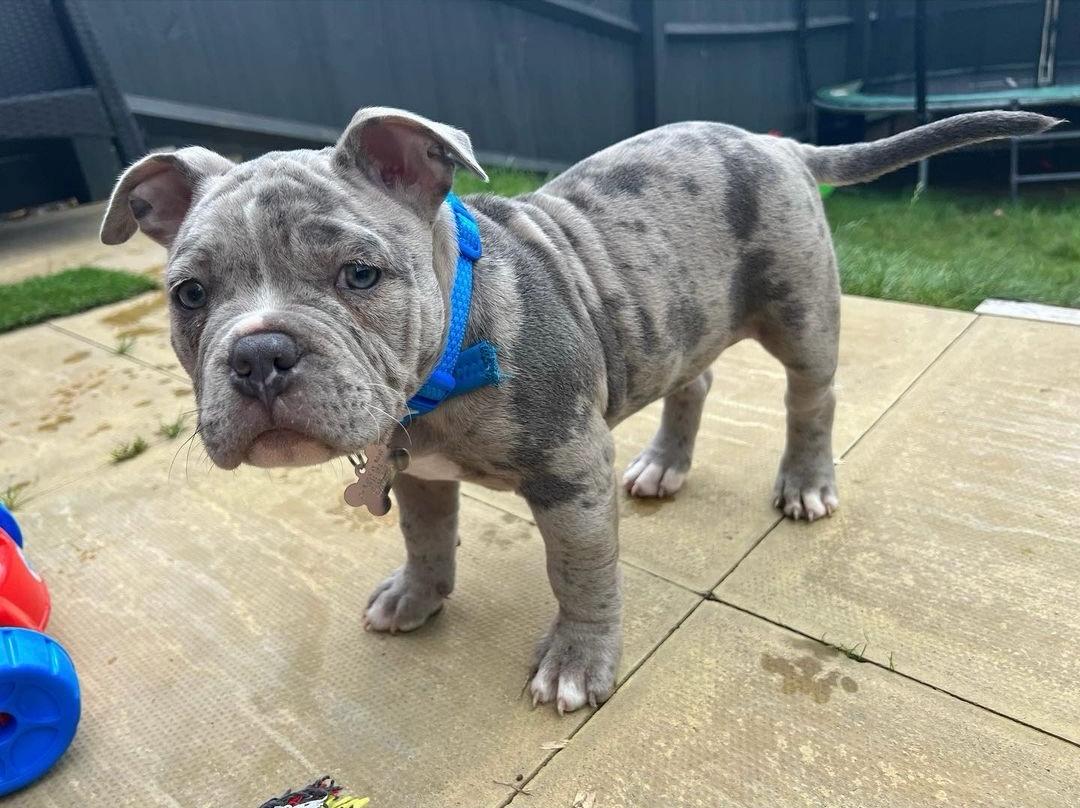
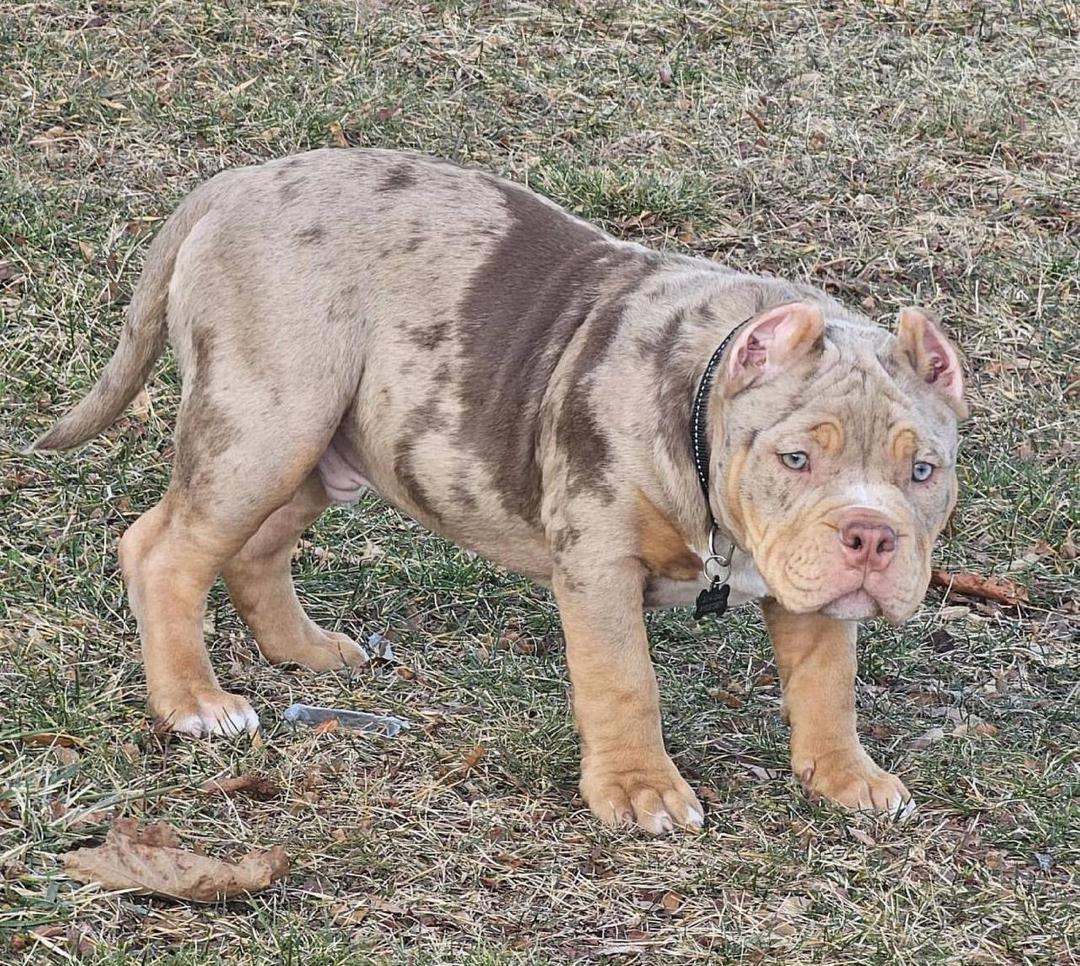
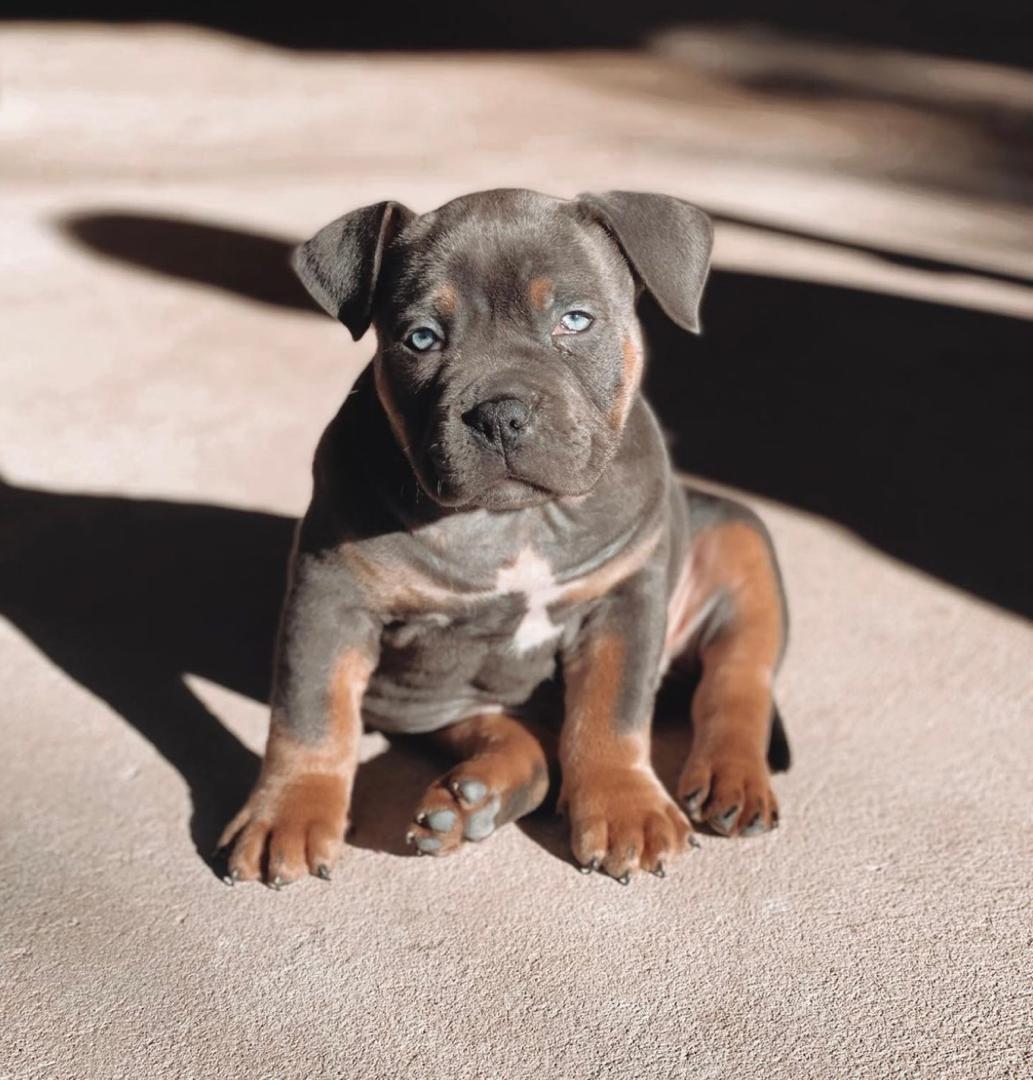
These coats are in the group today, and I’ve put the nearest thing to chocolate at the front so you can judge it for yourself.
The genetics behind a chocolate coat
b/b at the B locus, which converts every scrap of black pigment in the dog to brown, including the nose leather, the lips and the eye rims. That full-body browning is the reliable way to tell a true chocolate from a very dark seal or a washed-out black.
Reading a chocolate, and what it gets muddled with
Confused with seal and with a dark brindle more than with anything else, and this is the mislabelling worth guarding against, because chocolate pulls real interest. One check settles it every time: a true chocolate has a brown nose, brown lips and brown eye rims. A black nose means it is not a chocolate.
Where chocolate sits in the breed
The single most useful thing on this page is how to verify a chocolate, and it takes one glance: look at the nose. A true chocolate browns every black pigment in the dog, which means the nose leather, the lips and the eye rims are brown too, not just the coat. A dog with a dark brown coat and a black nose is not a chocolate. It is a seal, or a dark brindle, being described hopefully. This matters because chocolate draws interest, and that is exactly the situation where optimistic labelling creeps in.
Uncommon without being genuinely rare, and it carries none of the dilution baggage that the similarly positioned coats do, which makes it a steadier choice than its scarcity alone implies. It is not pushed as hard as the merles, so a careful buyer tends to get a fairer read on it.
To place it against its neighbours, here is how chocolate compares on how scarce it really is and on how often buyers go looking for it. The coats beside it in the table are the ones people most often weigh against chocolate.
| Coat | Rarity | Monthly searches |
|---|---|---|
| Chocolate | Uncommon | 110/mo |
| Lilac | Rare | 170/mo |
| Chocolate Tri | Rare | 320/mo |
| Black | Common | 170/mo |
| Chocolate Merle | Rare | 110/mo |
What this coat means for the dog’s health
None. Chocolate is full pigment, not a diluted coat, so the alopecia that follows the diluted colours does not apply here at all.
Beyond the coat, the rest is about the breed rather than the colour. The full picture is here, and you can see how every coat lines up.
I don’t screen or certify the parents and I won’t pretend otherwise. What I do stand behind: every puppy is examined by Bell Rock Veterinary Clinic before it leaves, it has had DHPP with the booster and the canine influenza shot by ten weeks and been dewormed between two and ten weeks, the written record travels with it, and you take it to your own vet inside the first week. Any dog I breed can come back to me at any point in its life.
Set on a chocolate?
Tell me what you’re after and I’ll say honestly whether it’s coming, rather than take a deposit against something I can’t promise.