
 3 available
Sedona, Arizona
Champagne American Bully for Sale
Nothing champagne in the current group, and I’d sooner tell you that than steer you toward a coat that is close and hope you don’t look twice. Everything I do have is further down.
I’ve no champagne puppies in the current group. The coat is rare in the breed, and the first thing worth saying is that scarcity and quality are two separate measurements. I’m Greg Harpson, I’ve bred American Bullies here since 2015, and coat is the last thing I select for, well behind temperament and behind structure.
Nothing champagne standing this week
Coats turn over litter by litter, and dressing up a near match as the real thing helps nobody. Tell me the coat you’re set on and I’ll say plainly whether it’s on the way. What’s actually here is just below.
Here’s what is here instead
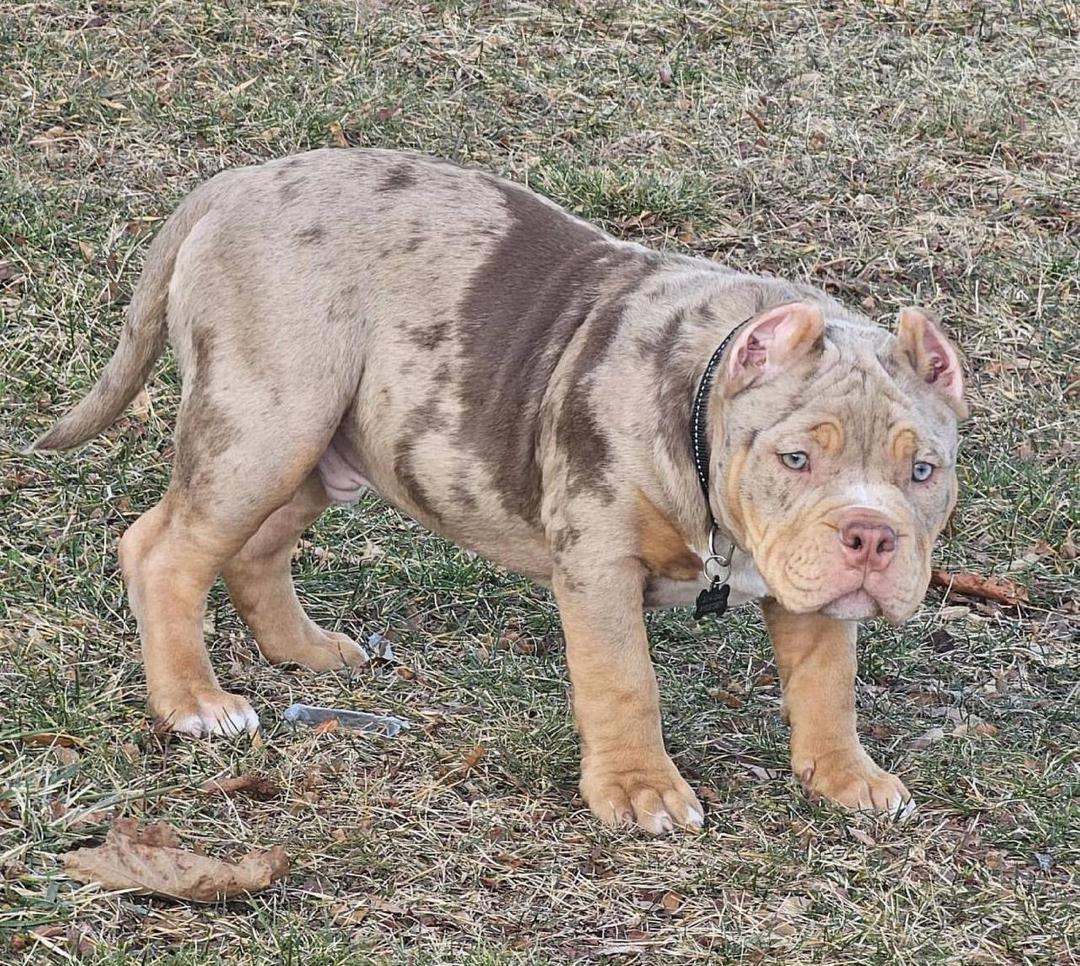
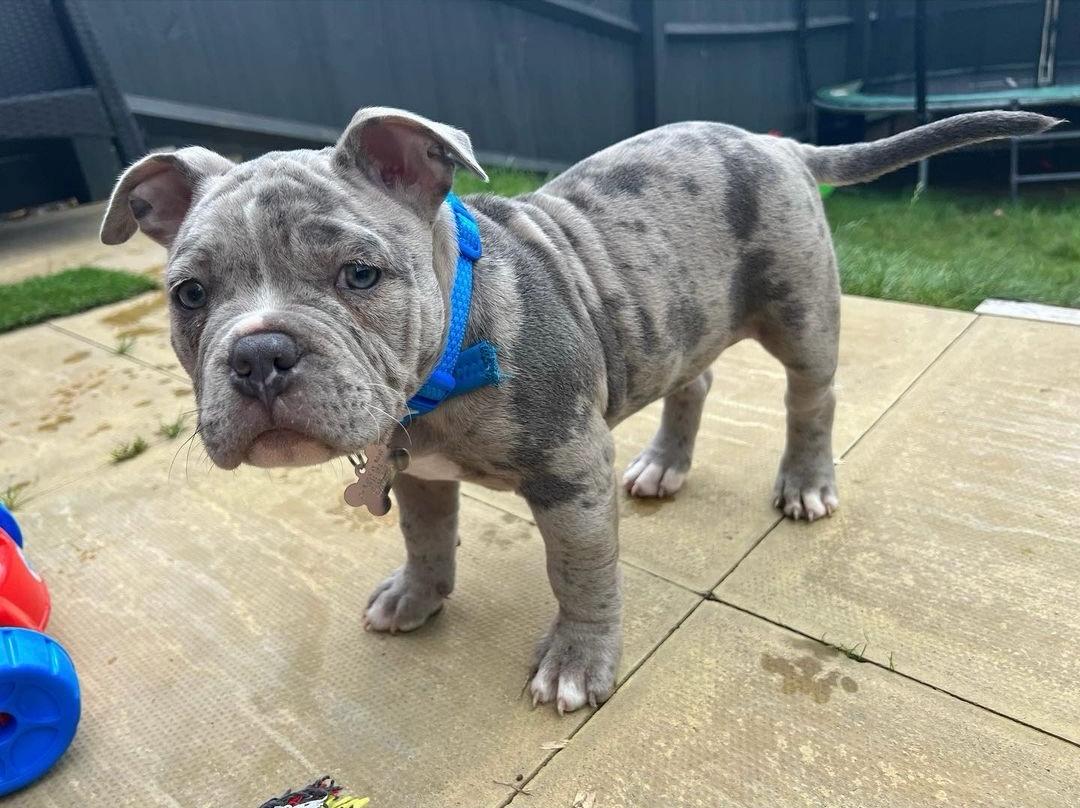
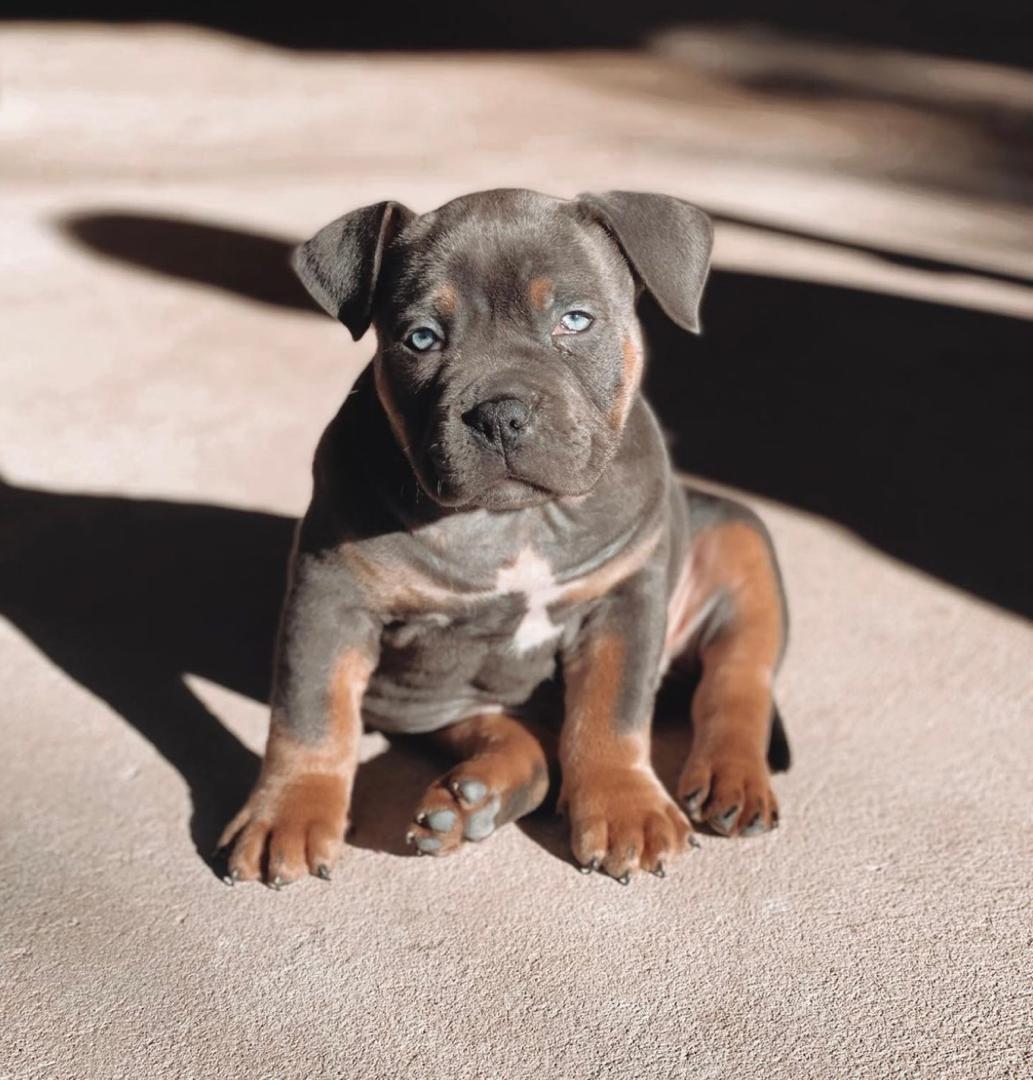
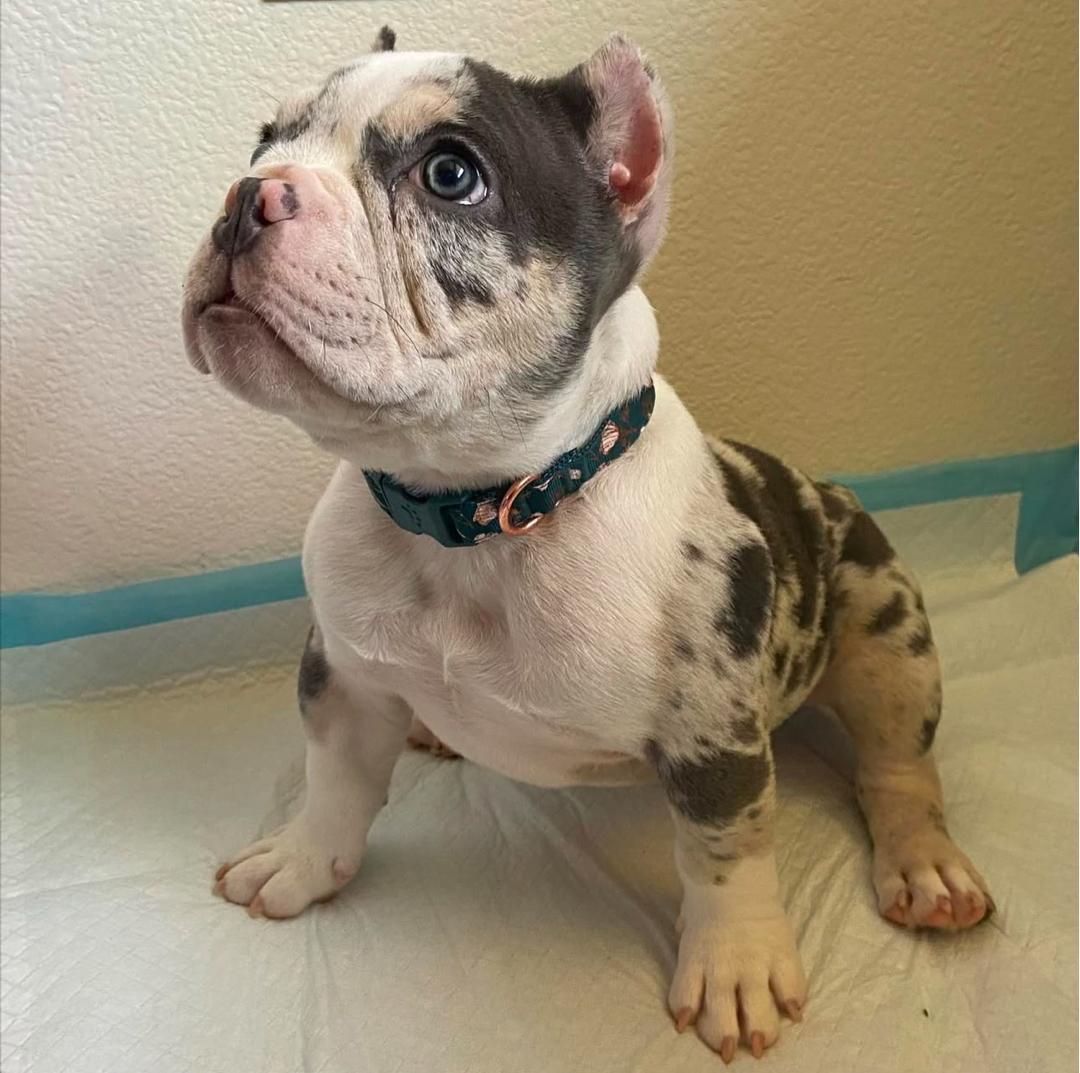
These coats are in the group today, and I’ve put the nearest thing to champagne at the front so you can judge it for yourself.
The genetics behind a champagne coat
Dilution applied to a red or fawn base rather than a black one: d/d acting on ay. The result is a pale gold coat with a noticeably light nose and frequently a light eye to match.
Reading a champagne, and what it gets muddled with
Confused with blue fawn and with cream. Champagne is a diluted red, so it reads a uniform pale gold with a light nose throughout. A blue fawn keeps a distinctly blue-grey mask and points against a warmer body. A cream is just a pale fawn with normal pigment and a dark nose, no dilution involved.
Where champagne sits in the breed
Champagne gets written up in listings as a separate, exotic colour, when it is simply a diluted fawn in exactly the way a blue is a diluted black. Understanding that one fact tells you its risk profile straight away: anything diluted carries the coat condition risk, and champagne is diluted, so it does. It is a genuinely pretty coat and there is nothing wrong with being drawn to it. It is not a rare breed variant, whatever the listing calls it.
Presented as an exotic rarity far more often than it deserves, since at the level of the genes it is a diluted fawn and nothing more unusual than that. When a listing reaches for the word exotic on a champagne, it is describing a marketing position rather than a fact about the dog.
To place it against its neighbours, here is how champagne compares on how scarce it really is and on how often buyers go looking for it. The coats beside it in the table are the ones people most often weigh against champagne.
| Coat | Rarity | Monthly searches |
|---|---|---|
| Champagne | Rare | 110/mo |
| Blue Fawn | Uncommon | 90/mo |
| Fawn | Common | 170/mo |
| Lilac | Rare | 170/mo |
| White and Piebald | Uncommon | 90/mo |
What this coat means for the dog’s health
Colour dilution alopecia, the very same D locus risk the blue and lilac coats carry, because champagne is a diluted coat just as they are.
Plenty of diluted dogs carry a perfect coat their whole lives, so this is a thing to understand rather than a thing to fear. It isn’t painful and it isn’t dangerous. It is permanent once it appears, it needs managing, and it is tied specifically to the diluted coats, which is a detail the glossiest listings tend to leave out.
Beyond the coat, the rest is about the breed rather than the colour. The full picture is here, and you can see how every coat lines up.
I don’t screen or certify the parents and I won’t pretend otherwise. What I do stand behind: every puppy is examined by Bell Rock Veterinary Clinic before it leaves, it has had DHPP with the booster and the canine influenza shot by ten weeks and been dewormed between two and ten weeks, the written record travels with it, and you take it to your own vet inside the first week. Any dog I breed can come back to me at any point in its life.
Set on a champagne?
Tell me what you’re after and I’ll say honestly whether it’s coming, rather than take a deposit against something I can’t promise.